Over the last several days, I’ve watched a wave of anxiety spread through parts of the conservative movement. Between foreign policy tensions, media narratives, online infighting, and concerns over gas prices, some Republicans are acting as though the GOP is suddenly headed toward disaster in the 2026 midterms.
But the actual political landscape says something very different.
If anything, Thomas Massie’s loss in Kentucky reinforced the exact opposite conclusion: Donald Trump still commands enormous influence over the Republican base, the Republican Party remains consolidated around MAGA populism, and Republicans continue holding major structural advantages heading into 2026.
The panic is not matching the reality.
The night before Massie lost, a friend sent me an MSNBC clip claiming MAGA was collapsing and that Trump supporters were finally abandoning the movement. Then the election results came in and the results once again contradicted the media narrative.
Massie’s defeat was not simply about one race. It was another reminder that Trump still dominates the Republican Party politically.
And when you zoom out and examine the bigger picture, there are now at least 25 major reasons Republicans remain strongly positioned not only to hold the House in 2026, but potentially expand both House and Senate majorities heading into 2028.
1. Republicans Already Sit at 217 Projected House Seats
According to the latest Inside Elections House ratings, Republicans currently hold 217 projected seats, Democrats sit at 207, and only 11 races remain toss-ups.
Republicans need just one additional seat to retain control of the House.
Democrats, meanwhile, need to flip nearly every competitive race while defending vulnerable districts of their own.
That is not a favorable map for Democrats.

2. Trump Still Completely Dominates the Republican Base
Massie’s loss reinforced what many conservatives already understand: Trump remains the undisputed center of gravity inside the Republican Party.
Corporate media has spent years claiming Trump was losing influence. Yet almost every major internal Republican battle continues ending the same way: the MAGA-populist wing wins.
Trump’s endorsement power remains one of the strongest forces in Republican politics.
That level of party consolidation matters enormously in midterms.
3. The Anti-Trump Republican Wing Has Mostly Collapsed
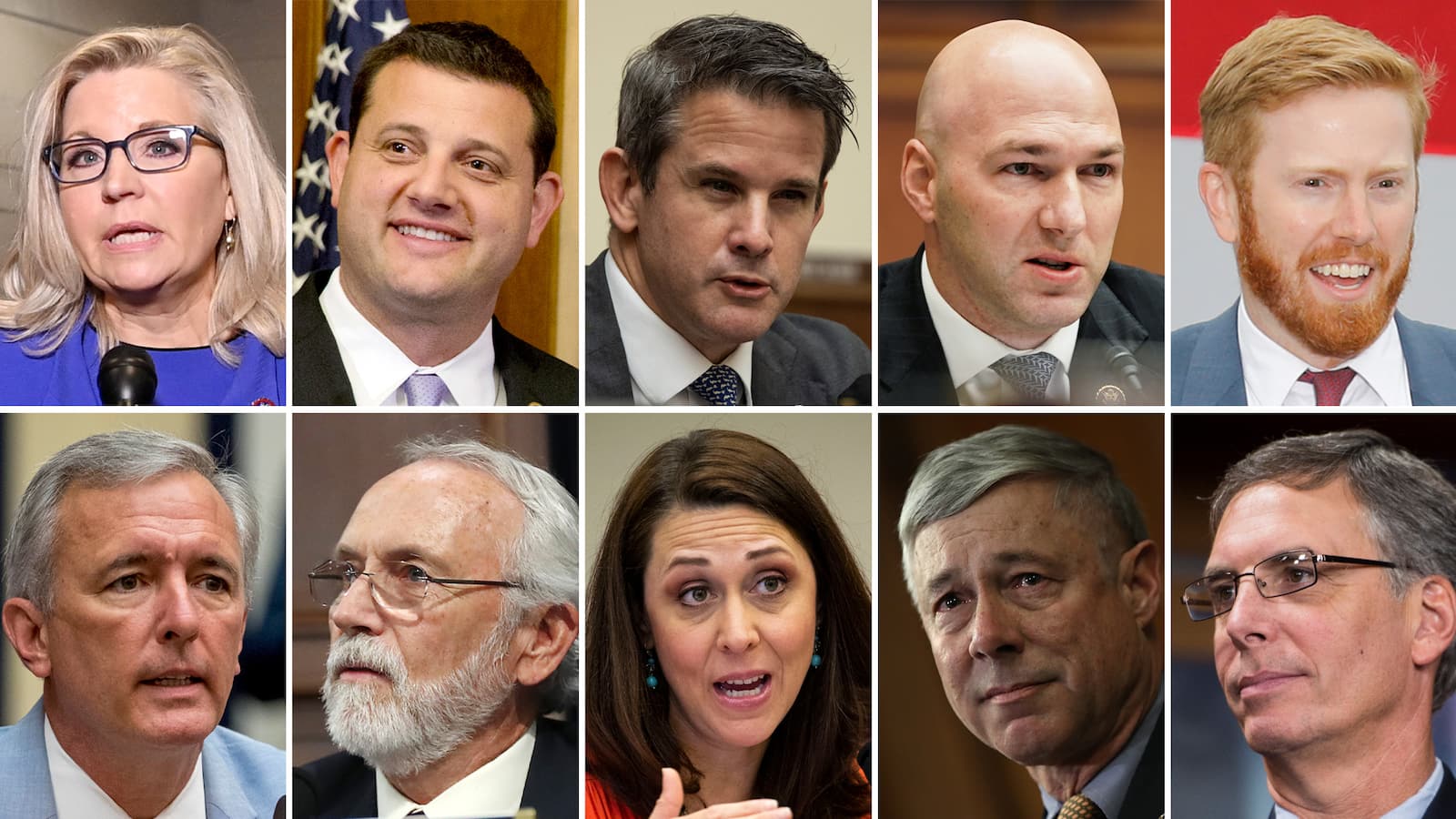
Figures like Liz Cheney, Adam Kinzinger, Peter Meijer, Tom Rice, Jaime Herrera Beutler, Fred Upton, and others who openly challenged Trump either lost power, retired, or became politically irrelevant.
Trump fundamentally reshaped the GOP.
The internal Republican civil war that once weakened conservatives has largely ended.
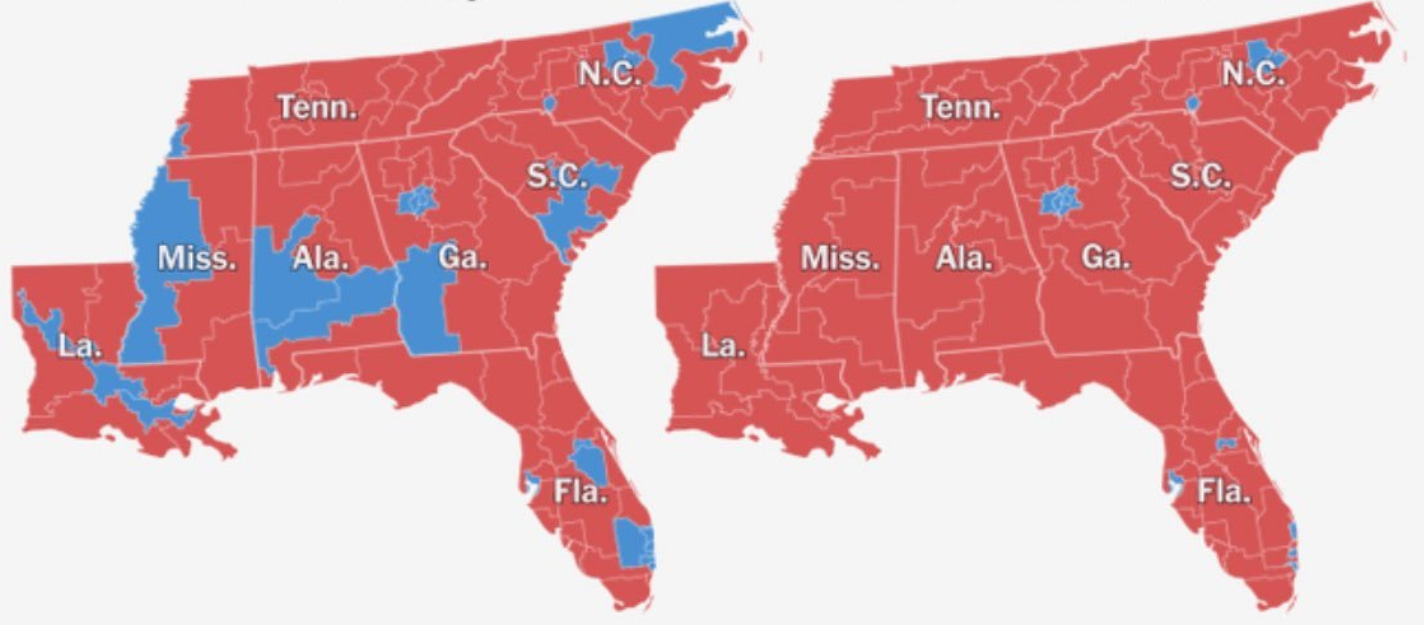
4. Redistricting Continues Favoring Republicans
Republican-led redistricting efforts continue heavily favoring the GOP heading into 2026.
Texas, Florida, North Carolina, Ohio, Indiana, and several other Republican-led states continue positioning Republicans advantageously before many campaigns even begin.
That gives Republicans built-in momentum.
5. Democrats Need Near-Perfect Execution to Win
Democrats essentially need:
-
near-perfect turnout,
-
strong independent support,
-
favorable toss-up outcomes,
-
no polling misses,
-
and worsening economic conditions.
That is an extremely narrow path.
Republicans simply need to maintain current positioning.
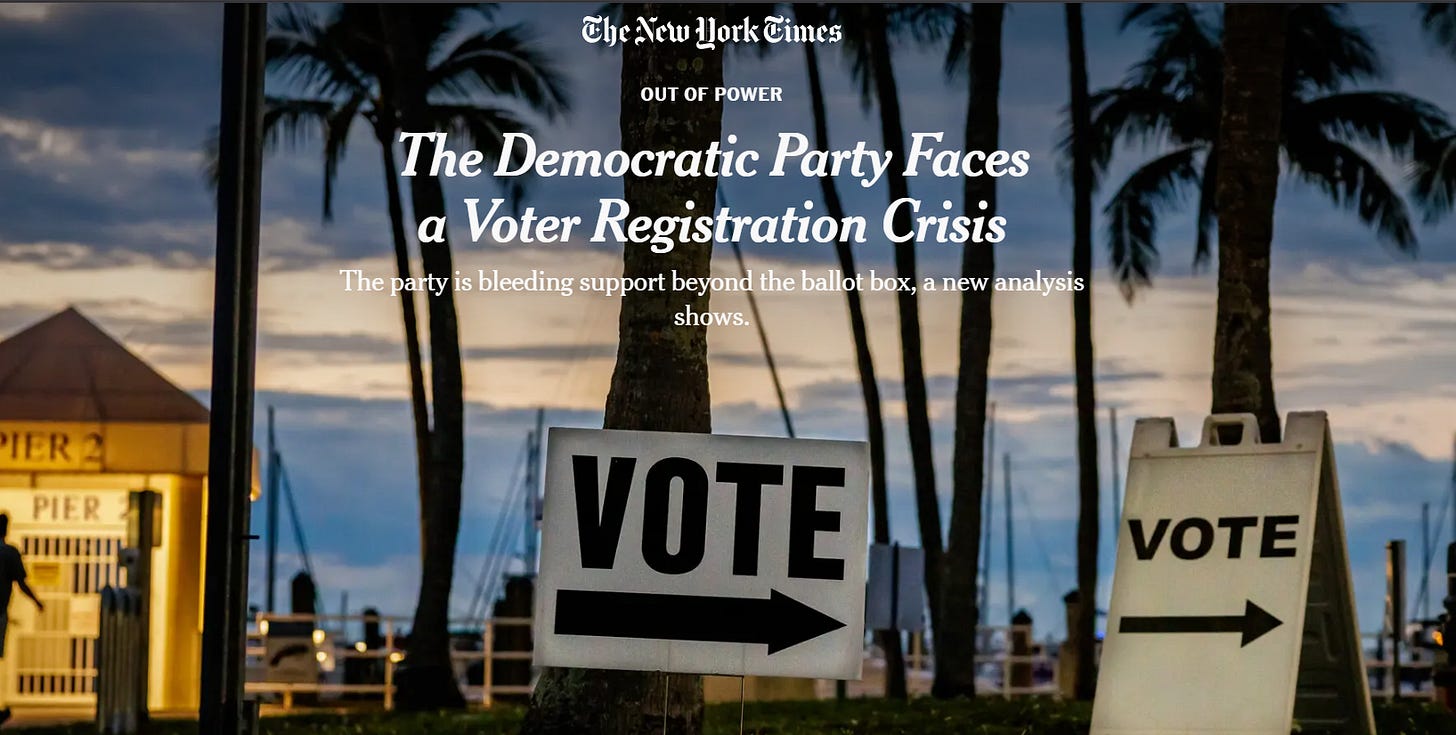
6. Voter Registration Trends Continue Moving Toward Republicans
Across multiple swing states, Republicans continue gaining ground in voter registration trends.
Pennsylvania, Arizona, Florida, Iowa, Nevada, and North Carolina all continue trending rightward.
That becomes especially dangerous for Democrats during midterms where turnout margins matter heavily.
7. Working-Class Realignment Continues Favoring Republicans
Republicans continue gaining strength with:
-
working-class voters,
-
blue-collar voters,
-
Hispanic voters,
-
younger male voters,
-
and independents frustrated with institutions.
Democrats increasingly rely on elite suburban and institutional coalitions while losing core economic voters.

8. Americans Still Remember the Trump Economy Favorably
Many voters still compare the Trump-era economy favorably against the inflation-heavy years that followed.
People remember:
-
lower inflation,
-
lower energy prices,
-
wage growth,
-
stronger consumer confidence,
-
and greater affordability.
That economic memory still matters politically.

9. Gas Prices Alone Rarely Decide Elections
Yes, voters care about gas prices.
But voters also evaluate:
One difficult energy cycle rarely overrides every other economic factor.
10. Americans Are Likely Saving More Overall Than They’re Losing at the Pump
A detailed economic analysis comparing taxpayer savings against increased fuel costs concluded that many taxpayers remain modestly ahead financially overall despite higher gas prices.
The analysis estimated:
-
annual taxpayer savings of roughly $2,300–$2,900,
-
versus increased gas costs of roughly $400–$600 annually.
That broader household math matters politically.

11. Expanded Domestic Energy Production Softens Long-Term Pressure
Expanded domestic energy production and deregulation continue helping reduce broader supply pressures across the economy.
Recent gas increases are tied heavily to geopolitical instability rather than domestic production limits.
12. Many Voters Distinguish Iran From Iraq
Many Americans remain skeptical of endless wars after Iraq and Afghanistan.
But that does not automatically mean voters support Iran obtaining nuclear weapons.
Large numbers of Americans still view Iran’s nuclear ambitions as a serious threat and understand why preventing nuclear escalation matters strategically.
13. Trump’s Endorsement Power Keeps Delivering Results
Trump-backed candidates continue consistently outperforming establishment opposition.
That matters because endorsements influence:
-
turnout,
-
grassroots enthusiasm,
-
fundraising,
-
and party consolidation.
Trump’s political machine remains highly influential heading into 2026.
14. Democrats Still Lack a Clear National Message
Republicans possess a relatively unified message centered around:
-
sovereignty,
-
border security,
-
economic nationalism,
-
anti-establishment politics,
-
and cultural pushback.
Democrats remain fractured between moderates and progressives without a singular national vision.
15. Immigration and Border Security Continue Favoring Republicans
Border security remains one of Republicans’ strongest issues nationally.
Even moderate voters increasingly support:
-
stronger border enforcement,
-
reduced illegal immigration,
-
and tougher asylum policies.
Democrats remain vulnerable on this issue.
16. Republicans Have Structural Momentum
Republicans are entering the 2026 midterms armed with formidable structural momentum that extends well beyond fleeting optimism, including gerrymandered district maps that lock in House advantages through the decade, accelerating voter registration gains in Sun Belt battlegrounds that are flipping once-blue counties red, ironclad party consolidation under a disciplined national message, President Trump’s unmatched endorsement machine that has delivered primary victories at historic rates and turned out record base turnout, powerful economic memory advantages as voters recall the pre-Biden era of low inflation, booming wages, and energy dominance while contrasting it with the current cost-of-living squeeze, and superior issue alignment on border security, inflation-fighting tax relief, and America-first foreign policy that consistently polls ahead of Democratic alternatives. These interlocking strengths (coupled with superior grassroots fundraising, a unified conservative bench of battle-tested candidates, and the natural midterm penalty facing the party in power) position Republicans not as a collapsing movement but as a disciplined, expanding force poised to defend and potentially grow their majorities in Congress.
17. Democrats Are Quietly Losing Voters to Republicans
One of the least discussed political trends right now is the growing number of Democrats leaving the party entirely.
According to political analysts examining voter-switching data, Democrats switching to Republicans reportedly outnumber Republicans switching parties by roughly 4-to-1 in several tracked areas.
That reflects deeper ideological realignment beneath the surface.
18. Voter Registration Trends Often Predict Elections Better Than Polls
Election analysts like Seth Keshel argue that voter registration trends are often more predictive than public polling.
Polls fluctuate constantly.
Registration trends reflect structural political movement.
And right now, those trends continue favoring Republicans in multiple battleground states.
19. Key Swing States Continue Trending Republican
Florida’s Republican registration advantage reportedly expanded dramatically in recent cycles.
North Carolina reportedly shifted from a Democrat registration advantage to a Republican advantage for the first time in state history.
Pennsylvania’s Democratic registration edge also continues shrinking significantly.
Those are major warning signs for Democrats.
20. The Senate Map Also Favors Republicans
The Senate map remains difficult terrain for Democrats.
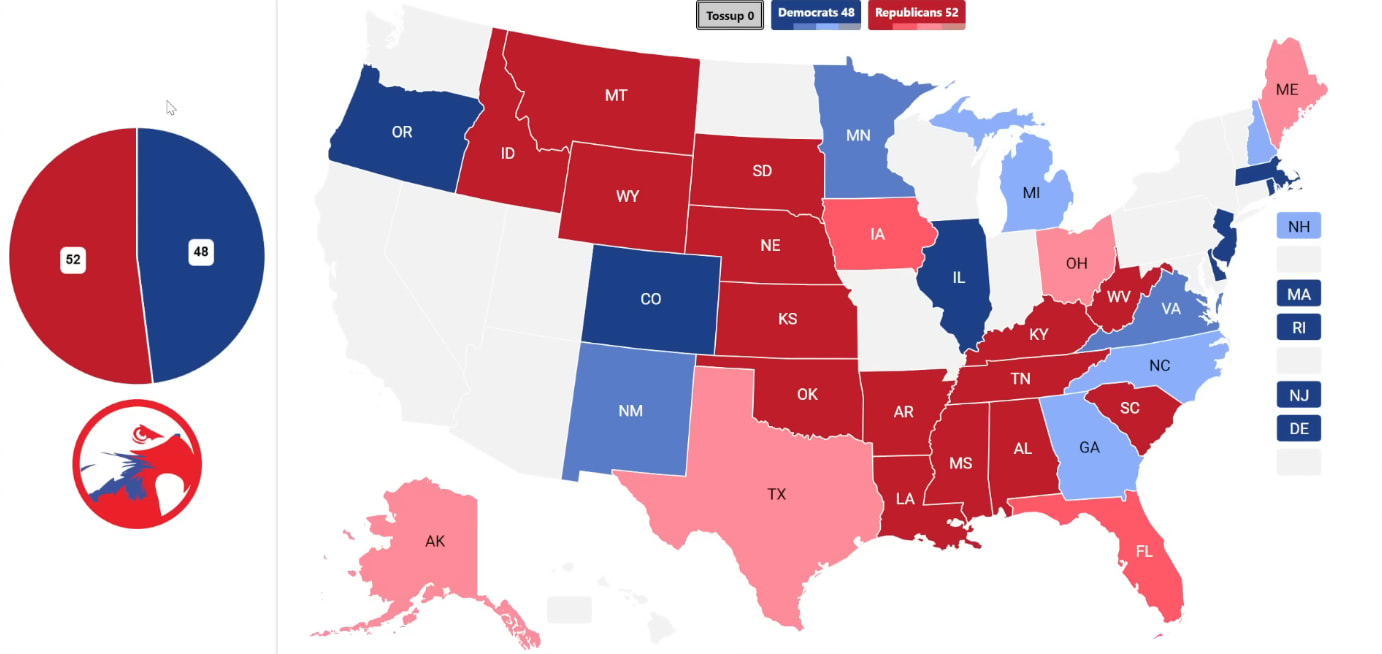
According to projections discussed recently by Red Eagle Politics, Republicans are projected to hold roughly 52 Senate seats under current conditions.
That projection reflects how difficult the Senate battlefield currently is for Democrats.
21. Key Republican Senate Incumbents Remain Strong
The same Senate analysis projected Republicans remaining highly competitive or favored in states like:
-
Ohio,
-
Texas,
-
Florida,
-
Iowa,
-
Alaska,
-
and Maine.
Democrats still face difficult terrain in several swing-state Senate races.
22. Republicans Benefit From the Current Electoral Geography
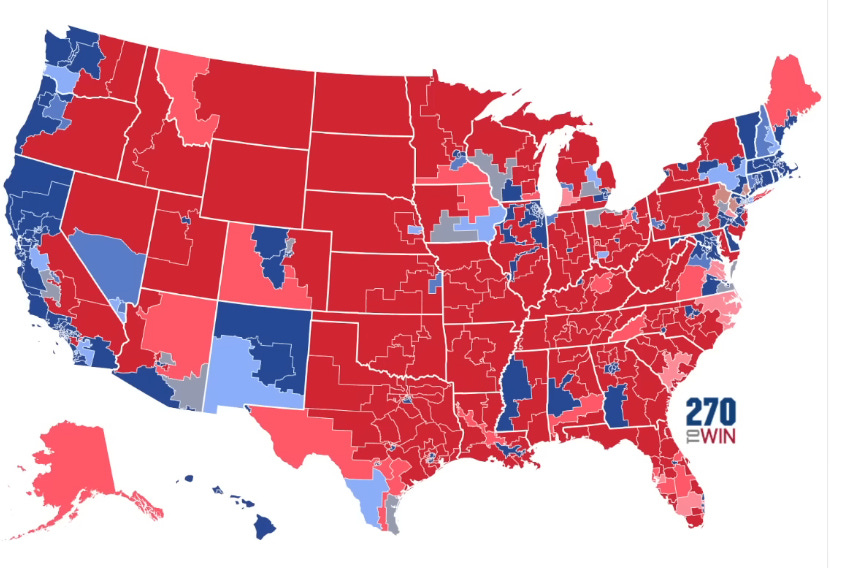
Democrats increasingly concentrate votes in deep-blue urban areas while Republicans maintain broader geographic strength across:
-
rural counties,
-
exurbs,
-
small towns,
-
and key swing-state regions.
That geographic spread continues helping Republicans in:
-
House races,
-
Senate races,
-
Electoral College politics,
-
and redistricting battles.
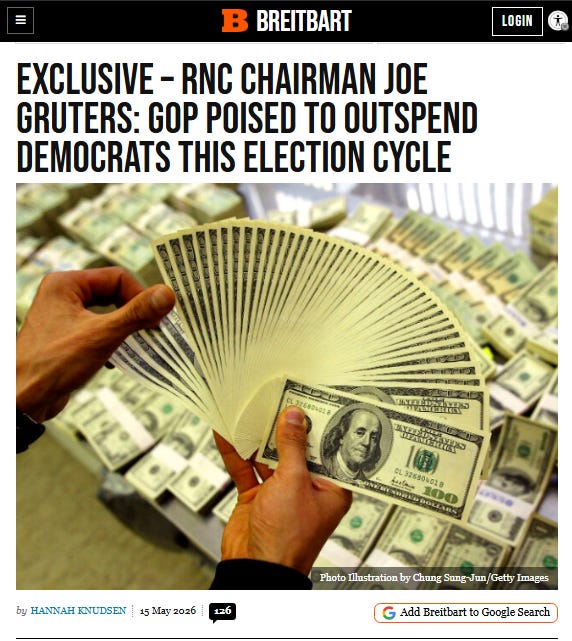
23. Republicans Currently Hold a Major Fundraising and Outside Spending Advantage
One of the biggest underreported realities heading into 2026 is the growing financial advantage Republicans are building in key races.
Trump’s fundraising network, aligned PACs, grassroots donor infrastructure, and outside conservative groups remain extremely powerful.
Republicans continue benefiting from:
-
energized grassroots fundraising,
-
strong small-dollar donations,
-
wealthy donor networks,
-
and highly motivated activist infrastructure.
Money alone does not win elections.
But financial advantages matter enormously in:
-
turnout operations,
-
advertising,
-
legal battles,
-
digital outreach,
-
and voter mobilization

24. Democrats Continue Struggling With Favorability Problems
Another major warning sign for Democrats is the party’s broader favorability problem.
Many voters increasingly associate Democrats with:
-
inflation,
-
institutional elitism,
-
cultural extremism,
-
economic frustration,
-
and activist overreach.
Meanwhile, Republicans continue polling stronger on issues like:
-
border security,
-
economic confidence,
-
institutional reform,
-
and public frustration with the political establishment.
25. Republicans Continue Expanding Voter Integrity and Election Security Measures
Another major structural advantage Republicans possess heading into 2026 is control over election administration in many key states.
Over the last several years, Republican-led states have implemented:
-
stricter voter ID laws,
-
improved voter-roll maintenance,
-
tighter absentee ballot rules,
-
stronger signature verification standards,
-
limits on ballot harvesting,
-
and increased oversight of election procedures.
Supporters argue these reforms increase voter confidence, reduce opportunities for irregularities, and strengthen trust in election outcomes.
Republicans now hold significant influence over election administration in many battleground states through:
-
governorships,
-
state legislatures,
-
secretaries of state,
-
and judicial appointments.
That organizational advantage matters significantly in close midterm races.

the Conservative TAKE
Of course, none of this guarantees victory. The conservative take here is not that Republicans should become complacent or assume the midterms are already won. Midterms are historically difficult for the party in power, and the GOP still still needs turnout, disciplined messaging, fundraising, organization, ballot chasing, and quality candidates to fully capitalize on the political environment heading into 2026.
But conservatives acting like the sky is falling are missing the much larger reality unfolding underneath the headlines.
At the time of this article, Republicans are sitting at roughly 217 safe House seats, meaning they effectively need only one of the remaining toss-up races to retain control of the House. Democrats, meanwhile, need to flip roughly 10 seats in a far more difficult electoral environment while defending vulnerable districts of their own. That is a massive structural difference.
And that matters because holding the House is not just symbolic. Control of the House determines whether Democrats would have the power to launch another impeachment effort, weaponize committees again, obstruct Trump’s second-term agenda, and slow down the final years of his presidency. Preventing that alone becomes a major motivating factor for Republican turnout.
More importantly, many of these 25 structural advantages do not need to create massive landslide shifts nationally to matter politically. Republicans do not necessarily need a political earthquake. If even a handful of these trends are enough to help flip or secure just one or two additional seats, that alone could determine control of Congress.
That is why things like:
-
redistricting,
-
voter registration trends,
-
fundraising advantages,
-
declining Democrat favorability,
-
voter integrity laws,
-
and grassroots turnout infrastructure
cannot be underestimated.
The fundraising advantage Republicans are building heading into 2026 is especially important. Campaign money affects turnout operations, advertising, legal infrastructure, digital outreach, persuasion efforts, and voter mobilization in close districts. Republicans are no longer entering cycles massively outgunned financially the way they often were in previous elections.
Likewise, Democrat favorability problems are very real. Many voters increasingly associate Democrats with inflation, institutional distrust, economic instability, activist overreach, and cultural extremism. Even voters who may not love every Republican candidate often still view the GOP as the safer alternative to returning to unified Democrat control.
Gas prices absolutely matter. Inflation matters. The economy matters. But voters are capable of understanding larger tradeoffs. As Rush Limbaugh used to say, the American people are smarter than the media thinks they are. Many voters understand geopolitical realities, inflationary pressures, and broader economic context beyond a single headline or temporary spike at the pump.
And many Americans simply do not want to return to the policies, leadership style, and institutional direction associated with Democrat rule over the last several years.
Republicans also continue holding one of the most reliable turnout advantages in American politics: highly engaged issue-based voters. Gun owners, for example, historically vote at extremely high rates and remain one of the easiest constituencies for Republicans to mobilize in close elections. In a midterm environment where control of the House could come down to one or two seats, highly motivated voting blocs matter enormously.
At the same time, conservatives should recognize the historical significance of the moment we are entering. America is approaching its 250th anniversary, a milestone that represents not just the endurance of the republic, but the survival of the constitutional system, checks and balances, and individual liberties that made the country exceptional in the first place. And after everything this movement has endured over the last several years (political persecution, censorship, division, violence, assassination attempts, and even the loss of influential voices like Charlie Kirk who became symbols of a generation fighting to preserve constitutional values and national identity) many Republicans and independents increasingly see 2026 as something far larger than a normal midterm cycle. They see it as part of a broader struggle over whether the nation returns to the constitutional vision of limited government, national sovereignty, and individual liberty, or continues moving toward centralized institutional control.

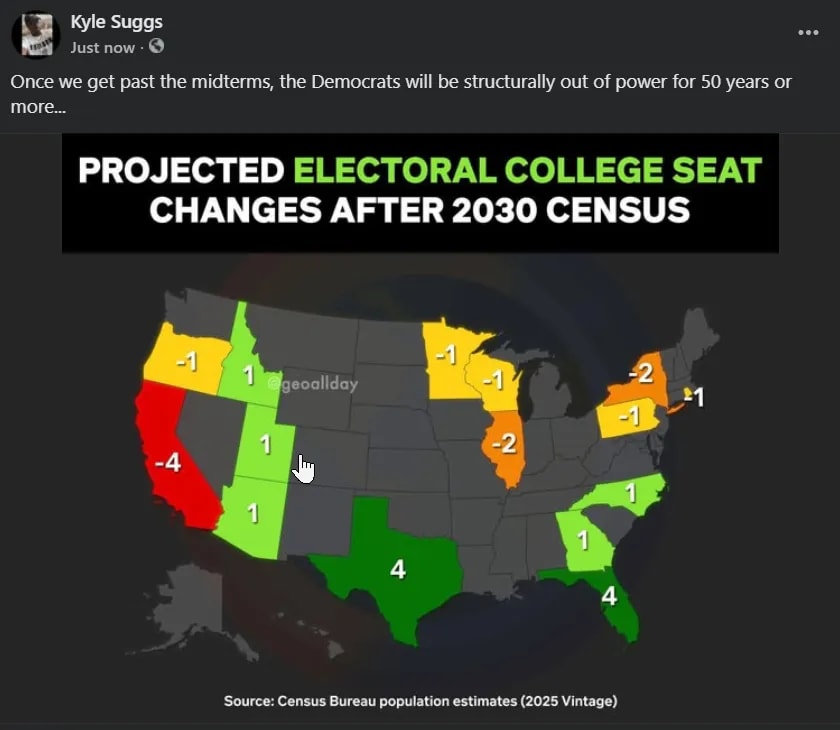
That is also why Democrats view these midterms as existential. With future redistricting battles, long-term reapportionment shifts after the 2030 census, and an increasingly difficult electoral map developing in several states, many on the Left understand the political clock may be working against them structurally. That reality will likely intensify media narratives, fear campaigns, and efforts to create discouragement, infighting, and voter apathy among conservatives.
Because ultimately, Democrats increasingly struggle to win public trust on the issues voters care most about:
-
inflation,
-
border security,
-
institutional trust,
-
affordability,
-
economic confidence,
-
and cultural stability.
What is truly at stake goes far beyond a few congressional seats. Many conservatives believe Democrats ultimately want to:
-
eliminate or weaken the filibuster,
-
expand the Supreme Court,
-
add new states to structurally shift Senate power,
-
federalize election systems,
-
and weaken constitutional guardrails that were intentionally designed to preserve checks and balances.
Whether one agrees with every Republican policy position or not, many voters increasingly see this election cycle as a turning point for the future direction of the country itself.
None of this means Republicans should relax.
Complacency would absolutely be dangerous.
Republicans still need:
-
turnout,
-
organization,
-
fundraising,
-
strong candidates,
-
disciplined messaging,
-
and continued voter engagement.
But the broader political environment still strongly favors the GOP structurally.
Massie’s loss did not weaken MAGA.
It reinforced who still controls the Republican Party.
And unless Democrats dramatically reverse current trends, Republicans remain strongly positioned not only to retain the House in 2026, but potentially expand both House and Senate majorities heading into 2028.
For many conservatives, there is also something deeply symbolic about all of this unfolding as America approaches its 250th year. After years of political division, institutional distrust, economic instability, and cultural conflict, many see this period as a potential inflection point in the country’s history. Moreover, they see a moment where voters decide whether the United States recommits itself to constitutional principles, national sovereignty, and the balance of powers envisioned by the Founders. That sense of urgency is why Republicans cannot afford complacency, panic, or disengagement. Stay focused. Ignore the doom cycles. Get organized. Vote and bring others with you. Because in modern elections, control is often decided not by massive ideological swings, but by turnout margins in a handful of districts that ultimately shape the direction of the nation.