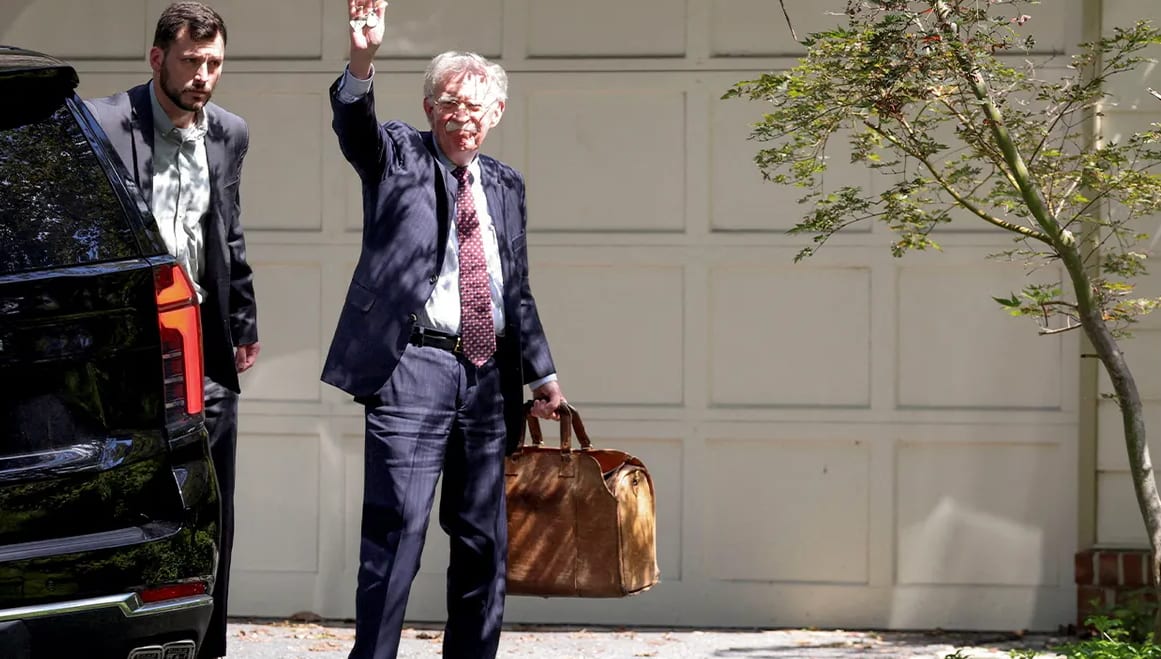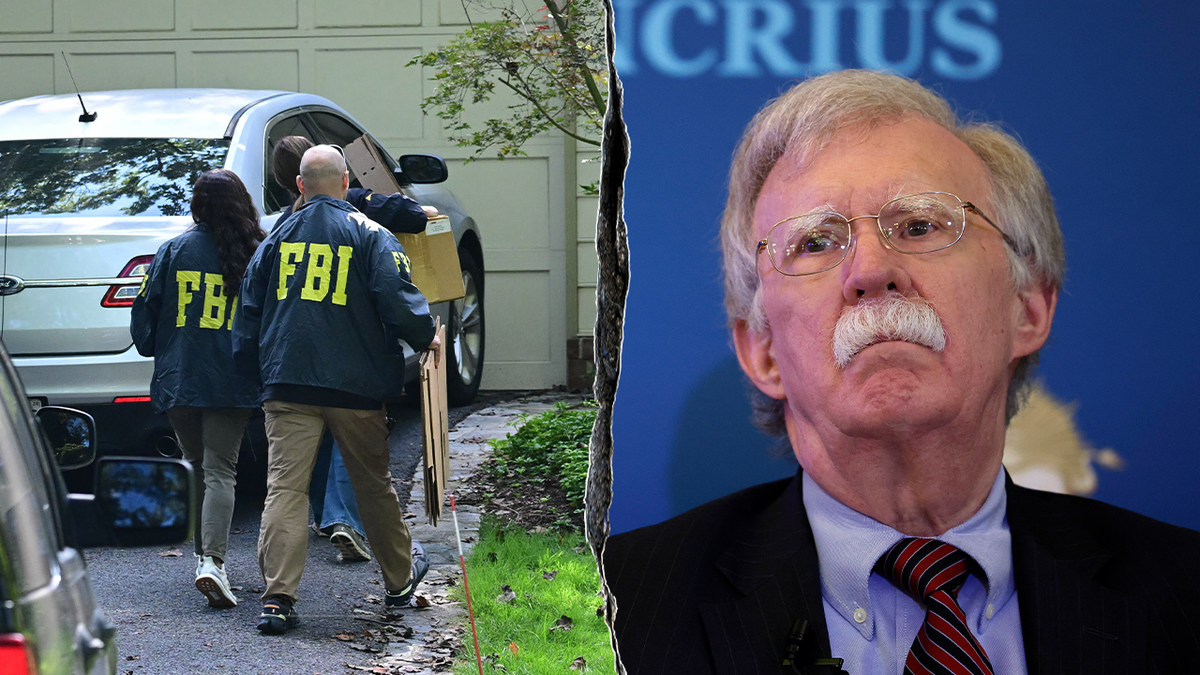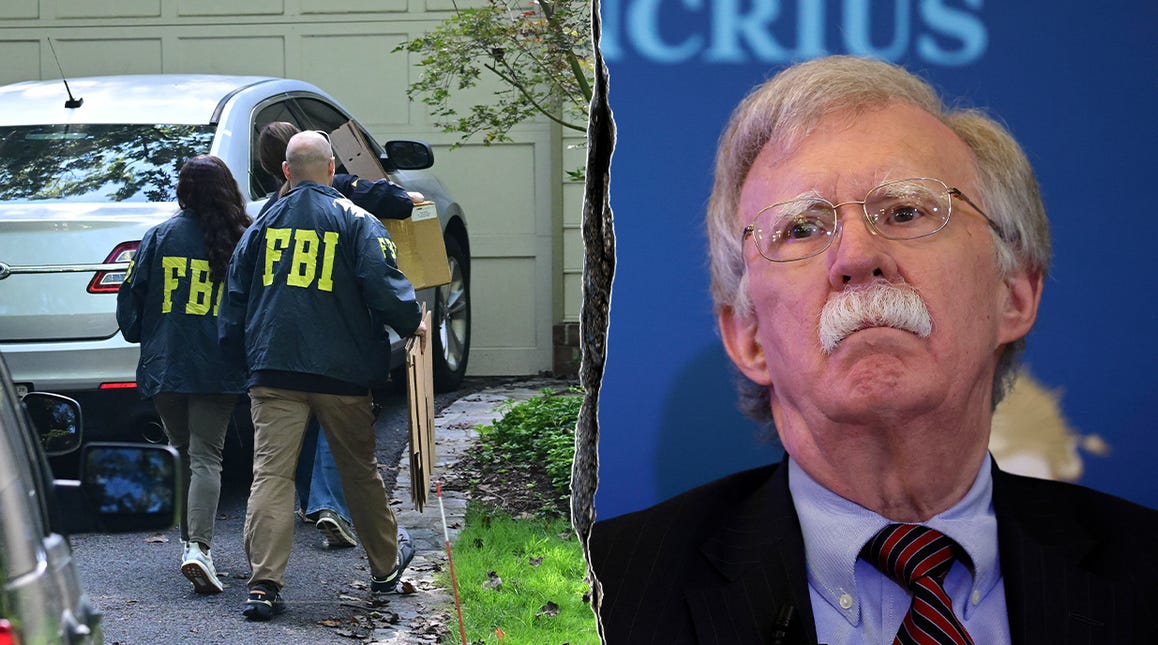
On August 22, 2025, the FBI executed a stunning raid on the home and office of former U.S. National Security Advisor John Bolton, sending shockwaves through Washington’s political elite. The operation, conducted in Bethesda, Maryland, and Washington, D.C., uncovered a trove of classified materials that could unravel decades of entrenched corruption within the so-called “deep state.” Astonishingly, this seismic event has received scant attention from mainstream media, raising questions about a deliberate attempt to suppress a story that could expose systemic abuses by career bureaucrats. With former FBI Director James Comey also facing imminent criminal charges for lying to Congress, the Bolton raid may mark the beginning of a long-overdue reckoning for Washington’s political swamp.
The Raid: A Treasure Trove of Classified Materials
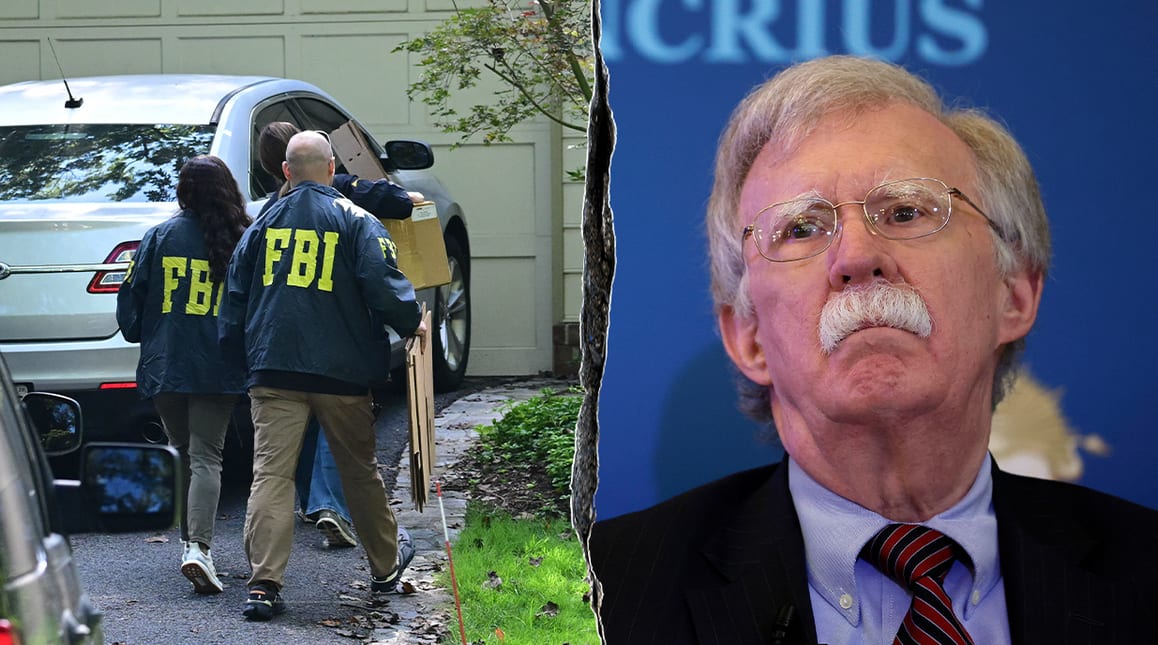
The FBI’s court-authorized searches targeted Bolton’s residence in Bethesda, Maryland, starting at 7 a.m. ET, and his office on M Street in Washington, D.C., around 1:40 p.m. ET. The operation was part of an investigation into the mishandling and unauthorized retention of classified documents, a charge Bolton himself vocally leveled against former President Donald Trump during the 2022 Mar-a-Lago raid. The irony is palpable: Bolton, who once called for Trump’s imprisonment over classified documents, now finds himself ensnared in a parallel scandal.
Here’s a detailed breakdown of what federal agents seized, as revealed by the FBI’s inventory:
-
Documents Marked “Secret”: Travel memo documents bearing the highest level of restricted classification, capable of causing serious damage to national security if disclosed.
-
Confidential Documents on Weapons of Mass Destruction: Classified materials related to WMDs, casually stored in Bolton’s office, dealing with some of the most sensitive national security matters imaginable.
-
Confidential UN Mission Files: Multiple documents related to the U.S. mission to the United Nations, containing sensitive diplomatic communications that could jeopardize international relationships.
-
Strategic Communication Materials: Classified documents detailing how the U.S. government coordinates messaging on sensitive topics, marked as confidential.
-
Redacted Confidential Materials: At least one set of documents so sensitive that their headings were completely redacted from the public inventory, hinting at their extreme significance.
-
Electronic Devices: Computers, phones, hard drives, and USB drives were confiscated from both locations, potentially containing digital copies of classified information.
The search warrant focused on two potential felony violations under the Espionage Act: conspiracy to gather, transmit, or lose defense information, and unauthorized retention of classified documents. The dual-location search suggests the Justice Department believes Bolton was systematically retaining classified materials across multiple sites, pointing to intentional misconduct rather than mere oversight. This pattern mirrors allegations against other high-profile figures, raising questions about how widespread such practices are among Washington’s elite.

A Broader Pattern: Classified Information Across Administrations.
The Bolton raid isn’t an isolated incident. It exposes a troubling pattern of high-ranking officials retaining classified information long after leaving office, a practice that seems to pervade the political establishment. Bolton’s documents reportedly date back to his tenure in the Bush administration (2001–2009) through his role as National Security Advisor under Trump (2018–2019). This suggests a decades-long habit of hoarding sensitive materials, potentially for personal leverage, memoir fodder, or worse. This isn’t unique to Bolton. The FBI’s focus on classified document mishandling has also spotlighted other figures, such as:
-
Hillary Clinton: Her 2016 email scandal involved storing classified information on a private server, a case that resurfaced in connection to Comey’s actions (more below).
-
Mike Pence and Joe Biden: Both faced scrutiny for retaining classified documents post-tenure, though their cases were less publicized and resolved quietly.
-
Unnamed Bureaucrats: Sources suggest ongoing investigations into other former officials, though details remain under wraps, indicating a systemic issue within the national security apparatus.
The cavalier handling of classified materials by career insiders points to a culture of entitlement, where the elite assume they’re above the law. Bolton’s case, however, may be the tipping point, exposing how deeply this problem runs.

James Comey’s Reckoning: A Parallel Scandal
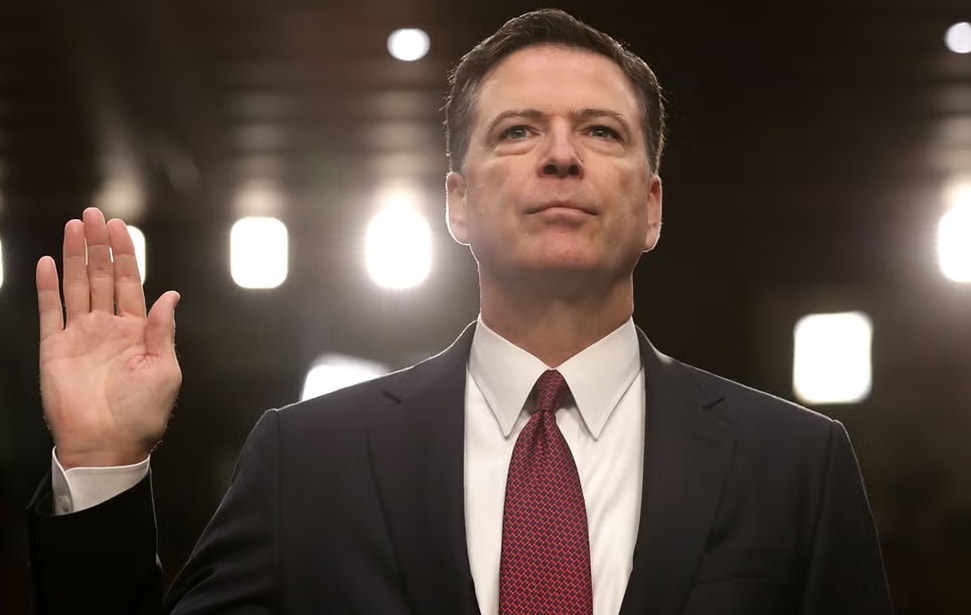
Adding fuel to the fire, former FBI Director James Comey faces a historic criminal indictment for lying to Congress, with federal prosecutors racing against a five-year statute of limitations set to expire on October 14, 2025. The charges center on Comey’s September 2020 testimony, where he allegedly misrepresented his role in authorizing leaks to the Wall Street Journal about Hillary Clinton’s email investigation in October 2016. Former FBI Deputy Director Andrew McCabe told investigators that Comey approved the leak after the fact, contradicting Comey’s sworn testimony that he neither authorized nor knew of McCabe’s involvement. Senator Ted Cruz bluntly stated, “One of these guys is lying under oath, which is a federal crime.” Comey, who positioned himself as a paragon of integrity during the Trump-Russia investigation, now faces accusations of perjury that could make him the first former high-ranking official charged in connection to the Russia collusion probe. The timing is no coincidence: President Trump recently fired U.S. Attorney Eric Seabert from the Eastern District of Virginia, replacing him with Lindsey Halligan, a former Trump attorney, signaling an aggressive push to hold his adversaries accountable.
Why Is No One Talking About This?
Despite its explosive implications, the Bolton raid (and Comey’s later indictment) have been curiously underreported by mainstream media. The silence is deafening, especially given the frenzy surrounding Trump’s Mar-a-Lago raid in 2022. Several factors may explain this:
-
Media Bias: Outlets that championed investigations into Trump appear reluctant to scrutinize anti-Trump figures like Bolton and Comey, fearing it undermines their narrative. This selective coverage fuels perceptions of a “two-tier justice system.”
-
Political Sensitivity: With Bolton and Comey as vocal Trump critics, reporting on their scandals risks amplifying Trump’s claims of deep state corruption, a narrative the establishment seeks to suppress.
-
Complexity and Timing: The raids and indictments are unfolding rapidly, with redacted details and ongoing investigations making it harder for media to craft a cohesive story without risking speculation.
This lack of coverage only heightens suspicions that the media is protecting its own, leaving platforms like 𝕏 and independent outlets to fill the void. For example, posts on 𝕏 have highlighted the irony of Bolton’s predicament, given his outspoken criticism of Trump, while others note the media’s “blind spot” in ignoring Comey’s legal troubles.
The Swamp Crumbling: A Turning Point for Justice?
The Bolton raid and Comey’s indictment could mark a pivotal shift in America’s justice system. For years, Trump and his supporters have decried a two-tier justice system that shields political elites while targeting outsiders. These developments suggest that dynamic is reversing:
-
Bolton’s Accountability: His case demonstrates that even career bureaucrats who mishandle national secrets can face scrutiny, challenging the notion that Washington insiders are untouchable.
-
Comey’s Perjury Charges: If indicted, Comey’s fall would signal that lying to Congress carries consequences, even for former FBI directors who once wielded immense power.
-
Trump’s Influence: Trump’s public pressure on the Justice Department, including his Truth Social posts calling Comey and others “guilty as hell,” and his replacement of key prosecutors, indicates a strategic effort to dismantle the establishment. His base sees this as fulfilling a 2024 campaign promise to “drain the swamp.”
These cases could be the first dominoes in a broader collapse of the deep state in which a network of career officials, bureaucrats, and insiders accused of undermining elected leaders like Trump. If investigations expand to other figures (e.g., those implicated in the Russia probe or document mishandling), the entire Washington establishment could face unprecedented accountability. The American public, weary of elite impunity, may finally see the equal justice they voted for in November 2024.
the Conservative TAKE…
As of October 10, 2025, no charges have been filed against Bolton, but the Justice Department’s probe remains active. Comey’s indictment could come as early as today, with prosecutors eyeing a grand jury. The silence from legacy media only amplifies the need for vigilance. Platforms like 𝕏 and independent news sources are critical for tracking these developments. The Bolton raid and Comey’s legal troubles are more than isolated scandals; they’re a warning shot to the entrenched powers in Washington. If these cases gain traction, they could expose decades of systemic abuse, from mishandled secrets to politicized leaks, bringing the swamp to its knees. The American people deserve transparency and accountability. Let the indictments begin.