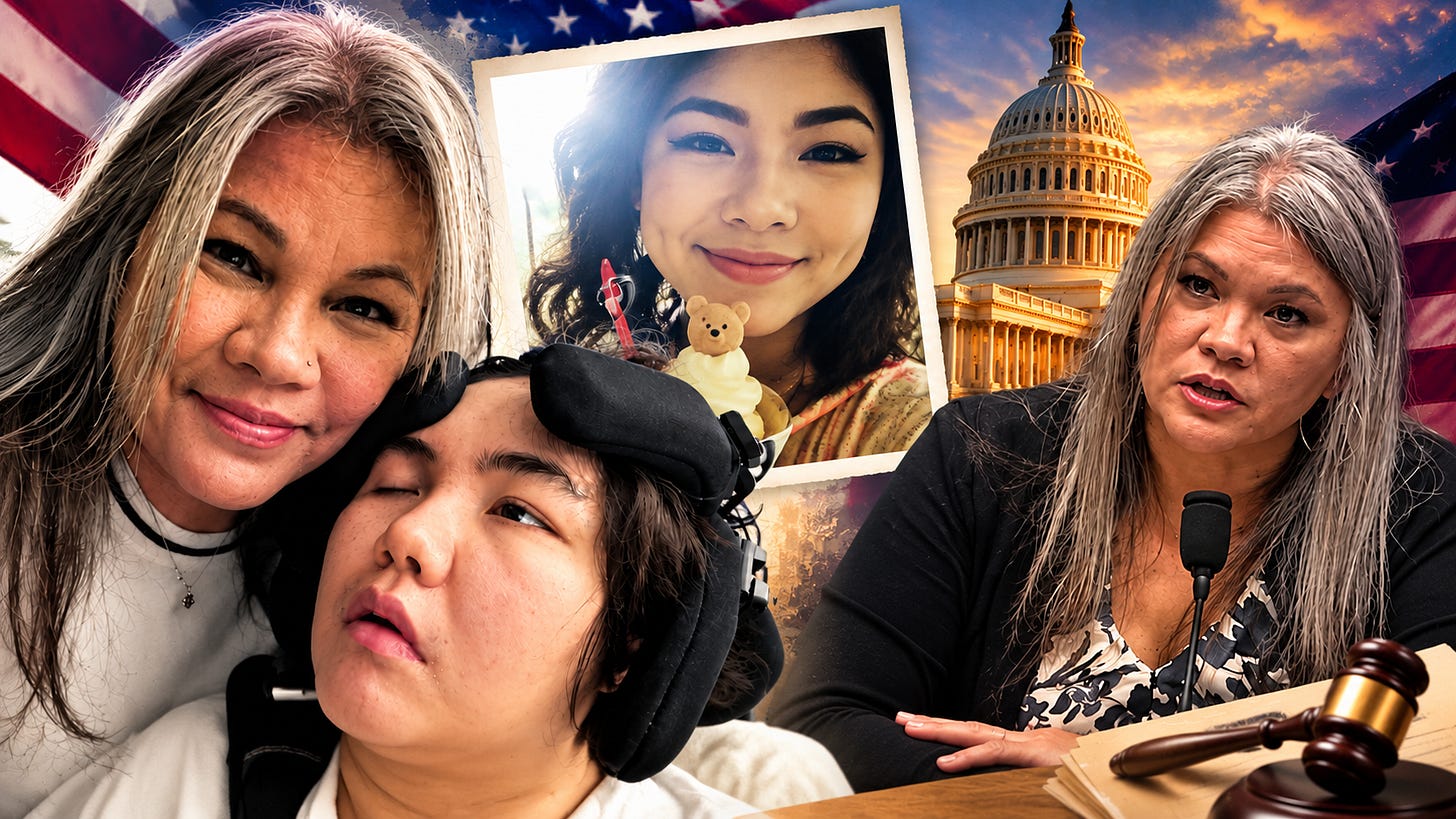
After a devastating crash changed her daughter’s life, Patti Fox became a caregiver, a voice for victims’ rights, and an advocate for stronger immigration enforcement. In a special conversation with Kyle Suggs, she shares the story behind her fight for justice.
By Kyle Suggs | the Conservative TAKE
There are some interviews that go beyond politics. They remind us that behind every headline, every policy debate, and every argument about government accountability, there are real people whose lives have been forever changed.
My recent conversation with Patti Fox was one of those interviews.
Patti and I went to high school together. Like many old classmates, we followed different paths through life, occasionally reconnecting through social media. Over the past year and a half, I watched as Patti shared updates about her daughter, Carissa, and the extraordinary challenges their family was facing.
What began as a mother’s fight for her daughter’s survival has become something much larger: a public effort to bring attention to victims’ rights, immigration enforcement, and the responsibilities of government to the people it serves.
But before any of those policy questions, there is Carissa.
And that is where her story deserves to begin.
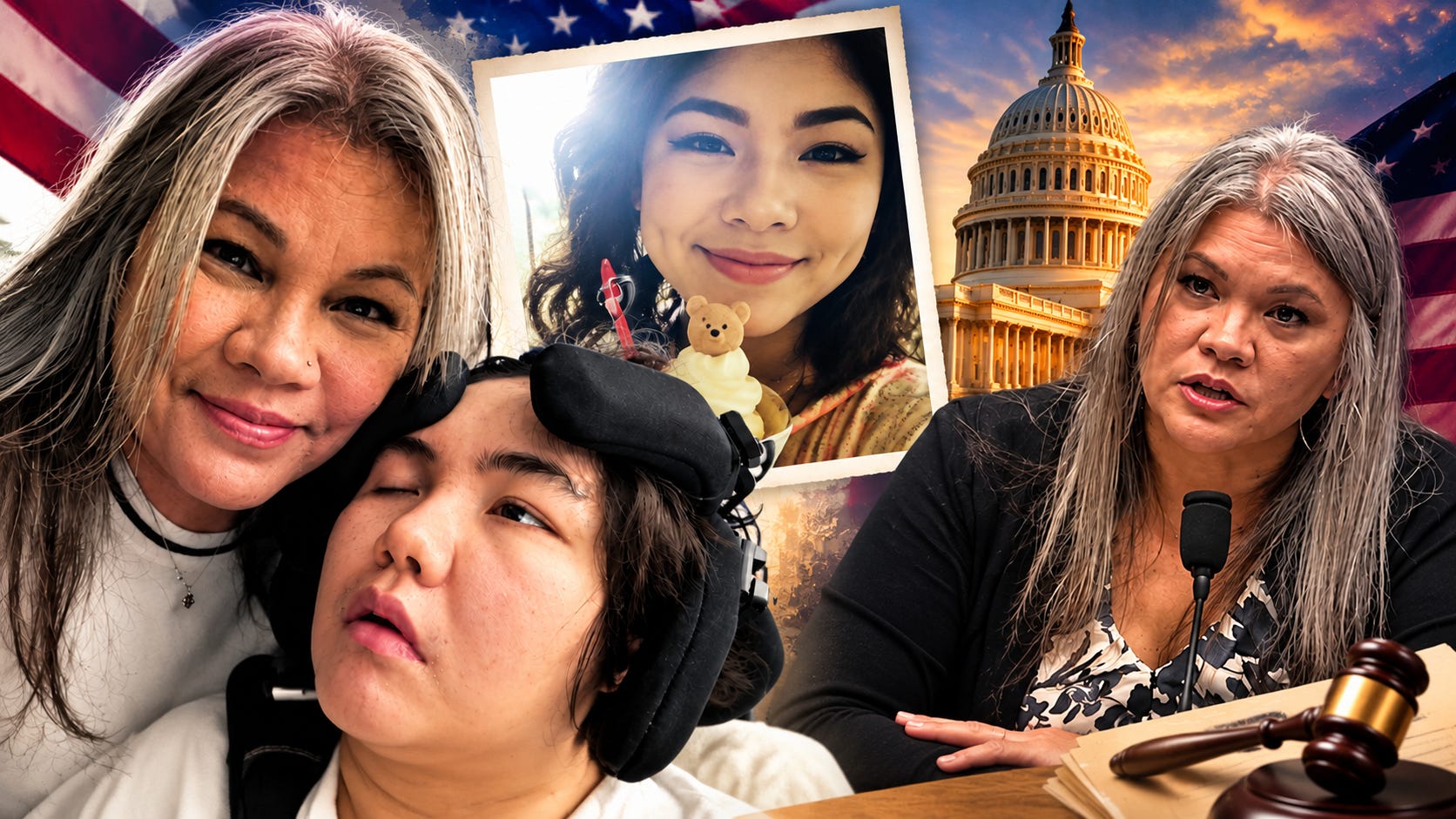
A Young Woman With Dreams for Her Future
Carissa was just 22 years old when her life changed on March 28, 2025.
She had been attending esthetician school and hoped to establish her own skincare business. Her interest in skincare began when she was around 12 years old, watching beauty tutorials and learning everything she could about the industry.
Patti recalled how her daughter would offer skincare advice when she was young. Eventually, the roles reversed, and Patti found herself asking Carissa for recommendations.
Carissa’s ambitions extended beyond simply opening a business. She wanted to study skincare practices around the world and develop affordable products so that quality skincare would be accessible to women regardless of their financial circumstances.
She wanted to travel. She wanted to become an entrepreneur. She hoped to have children of her own someday.
These were not abstract ambitions. They were plans she was actively pursuing.
On the day of the crash, Carissa was preparing to celebrate her recent birthday with friends. Before heading out for the evening, she went for a motorcycle ride with a friend.
Patti recalled receiving a text message from her daughter expressing how happy she was to be embracing everything life had to offer.
Approximately two hours later, everything changed.
March 28, 2025
According to Patti’s account, a driver ran a stop sign in Aurora, Colorado, crossed multiple lanes of traffic, and collided with the motorcycle carrying Carissa and her friend.
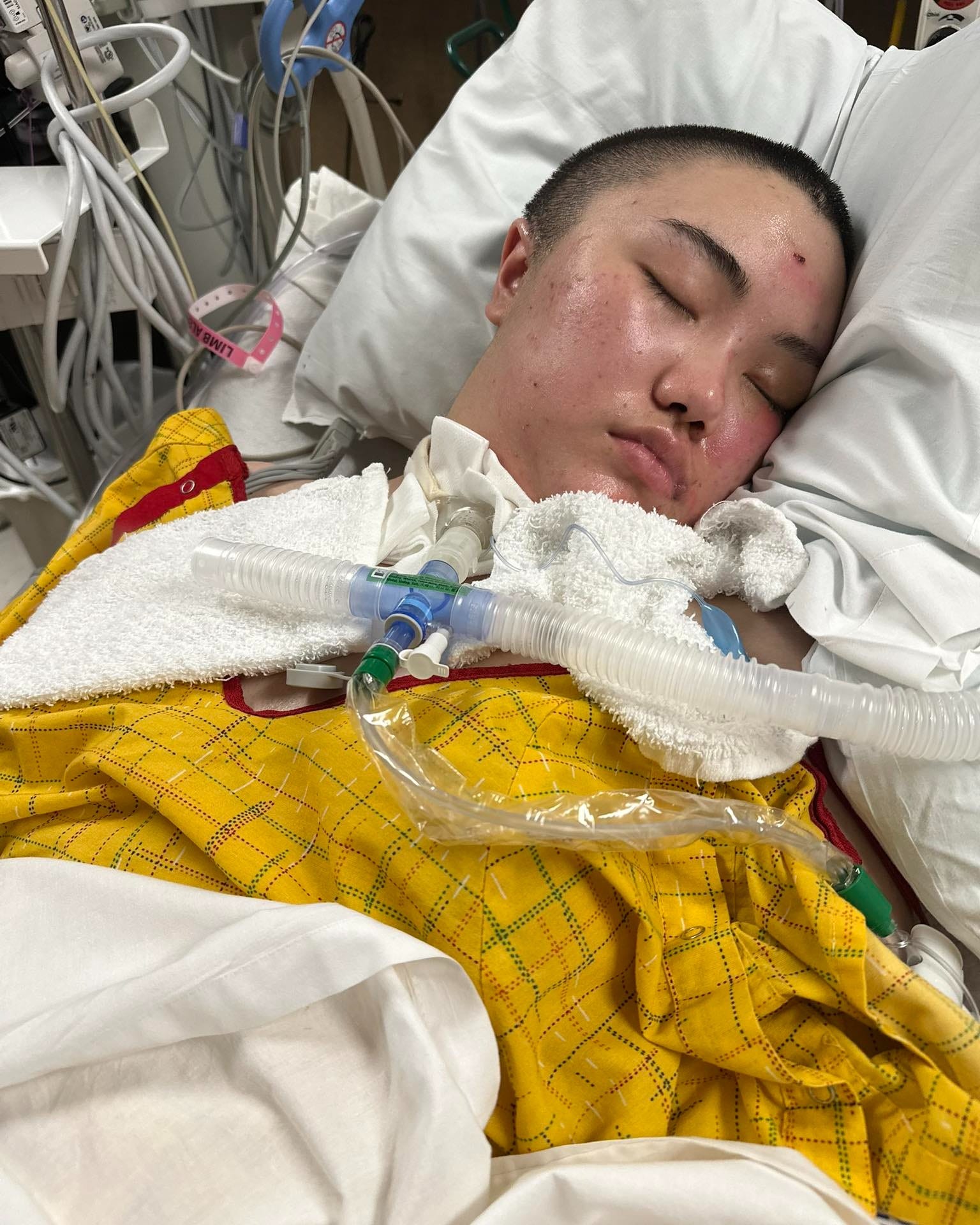
Carissa was thrown from the motorcycle and suffered a catastrophic traumatic brain injury.
Patti says the driver and passengers left the scene without calling emergency services or checking on the injured riders. Bystanders ultimately contacted 911.
At the hospital, doctors were uncertain whether Carissa would survive the night.
Emergency surgery was necessary to relieve swelling in her brain. Patti described the agonizing first several days, when the medical team could offer few assurances about her daughter’s survival or long-term prognosis.
For a mother who had spent her life protecting and providing for her children, the experience was devastating.
Patti spoke openly about praying for her daughter’s survival, even wishing she could trade places with her.
Carissa survived.
But survival was only the beginning of an entirely different journey.
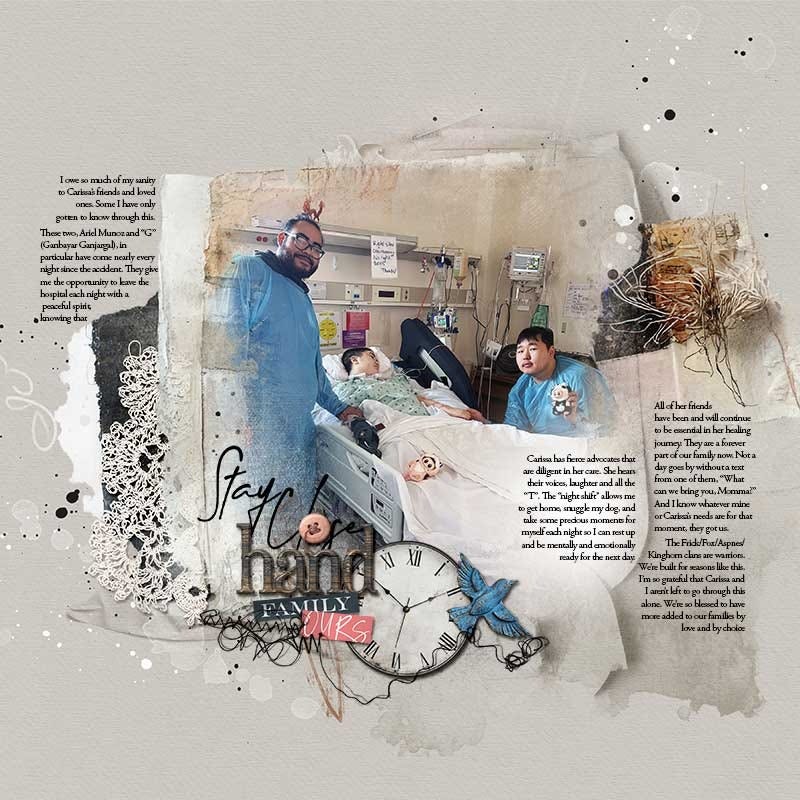
The Long Road of Recovery
During our interview, Patti described the difficult realities of caring for a daughter with a severe brain injury.
Carissa cannot currently walk or speak and requires extensive assistance with daily living.
Yet Patti also shared moments of progress that might seem small to an outside observer but mean everything to her family.
Carissa has begun making eye contact. She occasionally responds to requests to squeeze someone’s hand. More recently, she was able to take food by mouth for the first time since her injury.
For Patti, these milestones represent meaningful progress.
They also reinforce the faith that has sustained her throughout this ordeal.
She believes God is working through Carissa’s recovery and continues to pray for further healing.
During our conversation, I told Patti how much her social media updates have affected me. Even while confronting extraordinary hardship, she finds reasons to celebrate her daughter’s progress.
Her perspective is a reminder of how quickly the things we take for granted can become the things that matter most.
A response to a familiar voice. A moment of eye contact. A small improvement in physical ability.
For this family, those moments are victories.
When the Justice System Leaves a Family With Questions
As Patti worked to understand what happened to Carissa, she also began questioning how the criminal justice system was handling the case.
She described learning that several charges against the driver had been dropped as prosecutors considered a plea agreement.
According to Patti, the proposed arrangement included approximately $15,000 in restitution related to the motorcycle, while Carissa’s medical expenses had already reached approximately $2.7 million.
She said the victim-support and legal process had failed to adequately account for the severity of Carissa’s injuries and her long-term care needs.
Patti also described difficulties getting timely information and meaningful communication from the people handling the case.
These are serious concerns that deserve examination.
Victims and their families should not have to struggle simply to be heard or to understand the proceedings that will affect the rest of their lives.
Patti told me that the driver was subsequently deported to Venezuela. She remains deeply dissatisfied with the level of criminal accountability she believes the case received in Colorado.
The details of charging decisions, plea negotiations, and the driver’s immigration proceedings warrant examination through the relevant court and government records. But Patti’s experience raises an important question regardless of political affiliation:
When someone suffers a life-altering injury, how effectively does our justice system account for the victim’s long-term needs?
Immigration Enforcement and Government Responsibility
During the interview, Patti explained that she later learned the driver was a Venezuelan national who, according to information she says was obtained from federal authorities, had entered the United States unlawfully and been released after a border encounter in 2023.
That discovery fundamentally changed how she viewed her daughter’s case.
For Patti, the crash was no longer only about the decisions of an individual driver. It also raised questions about immigration enforcement, sanctuary policies, and the responsibilities of elected officials.
She believes failures in those systems contributed to the circumstances that allowed the crash to occur.
Our conversation explored what sanctuary policies mean, how local and federal authorities cooperate on immigration enforcement, and whether existing policies appropriately balance public safety with other legal and humanitarian concerns.
Patti acknowledged that such policies have historically been defended as a way to help vulnerable people report crimes and seek assistance without fear.
Her argument is that the current approach, particularly in Colorado, has expanded beyond those purposes and requires greater accountability.
It is important to distinguish Patti’s concerns and conclusions from legal findings about whether any particular government policy directly caused this crash. But we all know the reality that this person never should have been in the country in the first place!
Nevertheless, the questions she raises deserve serious public discussion.
We can recognize the humanity and dignity of immigrants while also expecting immigration laws to be enforced, criminal conduct to be addressed, and victims to receive meaningful protection and support.
These responsibilities should not be mutually exclusive.
From a Mother’s Grief to a Public Mission
Patti’s advocacy has taken her to Washington, D.C., where she has shared Carissa’s story before congressional lawmakers and participated in a Department of Justice discussion concerning victims of violent crime.
She described meeting public officials, speaking with other affected families, and working to bring attention to shortcomings she sees in immigration enforcement and victims’ rights protections.
Her experiences have also exposed her to families who have endured other forms of violent crime and loss.
Although their circumstances differ, many share a common concern: that victims and their families are too often left navigating complicated legal systems while struggling with the consequences of crimes committed against them.
Patti wants greater accountability from public officials and stronger protections for victims.
She also wants families to have more meaningful avenues for pursuing justice when they believe government failures contributed to their circumstances.
Not every proposal discussed in our interview is established law, and meaningful reform requires careful consideration of constitutional protections, legal responsibilities, and practical consequences.
But the underlying issue is worth asking:
Are we doing enough to ensure that victims and their families remain central to conversations about public safety and justice?
The Human Story Must Come First
Immigration policy is one of the most divisive subjects in American politics.
It is often discussed through statistics, election campaigns, court rulings, and competing political arguments.
Those discussions matter. Policy decisions have real consequences.
But my conversation with Patti reinforced something that can easily get lost.
Behind this debate is a young woman who wanted to build a business, travel the world, and one day become a mother.
There is a family learning how to navigate a completely different future.
And there is a mother who spends her days caring for her daughter while also trying to change the policies she believes failed her.
We may disagree about particular immigration proposals, the responsibilities of different levels of government, or how criminal justice reform should work.
But we should be able to agree that victims deserve to be heard, that serious crimes deserve thorough investigation and appropriate accountability, and that families facing catastrophic injuries should not be forgotten once the headlines fade.
For Patti, this is not a theoretical debate.
It is her everyday life.
A Story Worth Hearing
I am grateful that Patti trusted me with the opportunity to share her story.
Our conversation was personal, emotional, and at times difficult. We discussed Carissa’s injuries, the challenges of recovery, Patti’s Christian faith, her concerns about the justice system, and the advocacy work that now occupies so much of her life.
Above all, I wanted Patti to have the space to speak for herself.
I encourage you to watch our full conversation and hear directly from her.
Whether you agree with every policy position discussed or not, I hope you will approach this story with compassion, thoughtful consideration, and an understanding of the real lives affected.
And I hope you will remember Carissa not only for what happened to her, but for the young woman she is, the dreams she pursued, and the future her family continues to fight for.
Carissa’s story deserves to be heard. Patti’s concerns deserve to be examined. And victims’ rights deserve more than passing attention.
Shaping Culture. Defending Freedom.
— Kyle Suggs
the Conservative TAKE
Watch the Interview and Learn More
Support Carissa’s ongoing care and recovery:
Carissa’s GoFundMe
Follow Patti Fox:
X, Instagram, and TikTok — @angelmompatti
Organizations and additional resources:
Editor’s note: This article is based on Kyle Suggs’s recorded interview with Patti Fox. Accounts of the crash, immigration history, criminal proceedings, and government responses are attributed to Patti unless otherwise established. The interview transcript was the primary source for this article; court and immigration records were not independently reviewed.