By Kyle Suggs
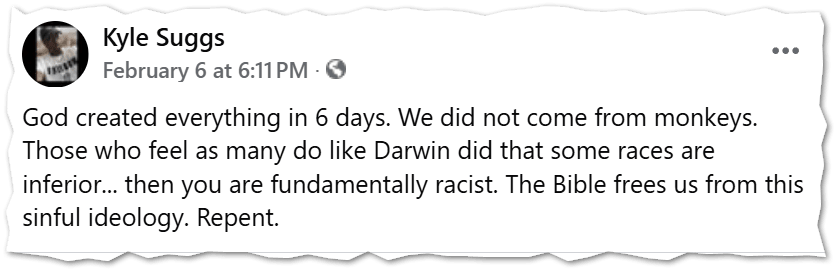
In a recent post on my personal Facebook, I drew more reaction than expected. This wasn’t because it lacked truth, but because of how poorly people have been trained to respond to controversy. Here’s what I posted:
“Don’t be a moron. Research. Link below.”
And I included this article from Townhall by Matt Vespa (as well as this forensic study): About That ‘Racist’ Video the Trump Team Posted Featuring the Obamas… It’s a Fake News Hoax
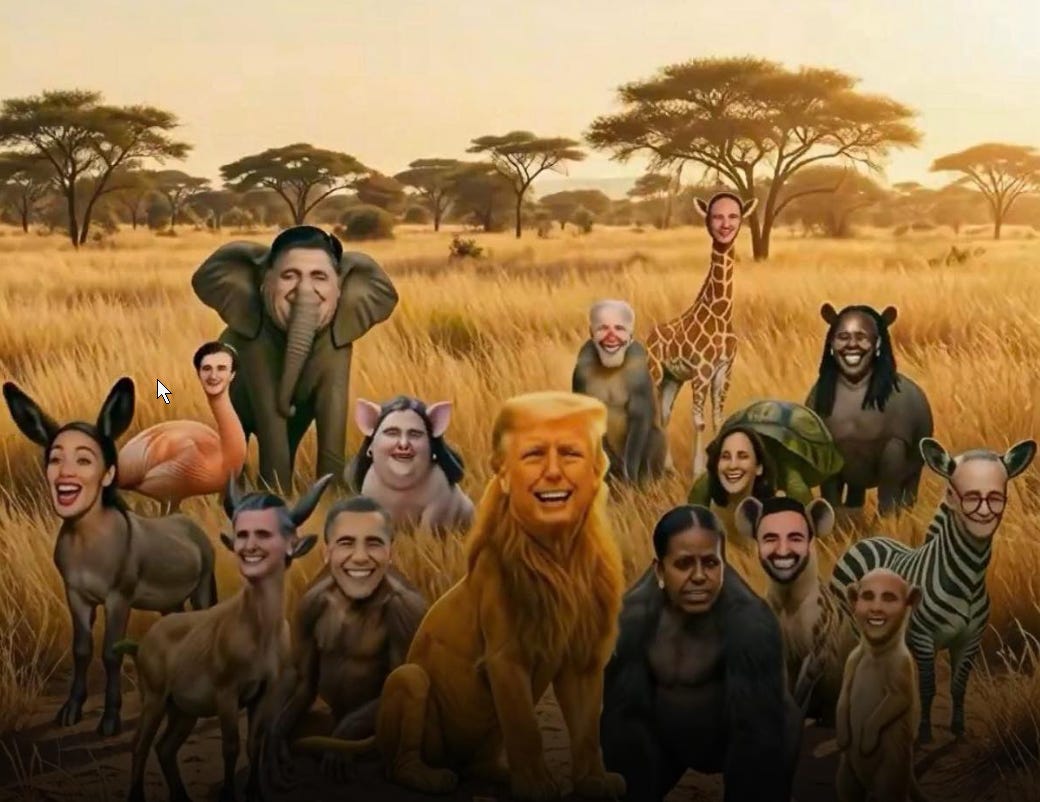
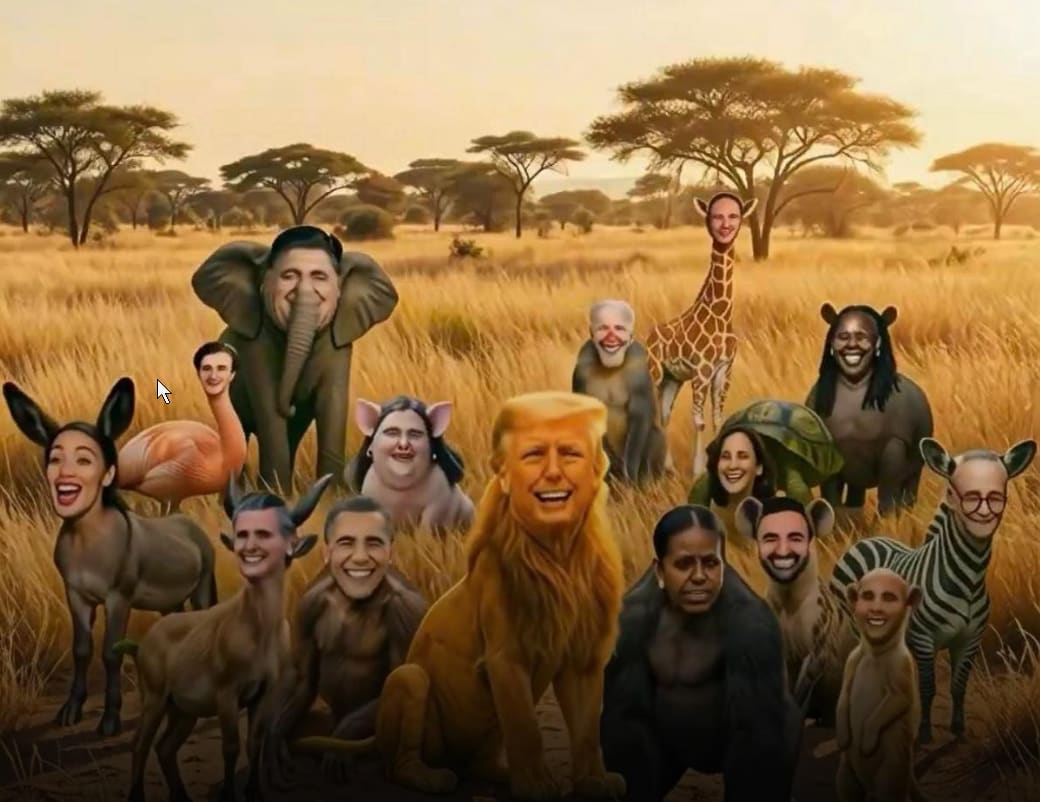
The piece explains how a meme video (not created by Trump’s team) was mistakenly posted to his official account. It featured a montage with jungle imagery intended to satirize U.S. politics. Near the end, an unedited segment showed Barack and Michelle Obama’s heads placed on monkeys, along with similar portrayals of Joe Biden and other public figures, both Black and White.
The Trump team removed the video, clarified that the clip was mistakenly included by a staffer, and noted that it came from a widely circulated internet meme mocking both parties. But predictably, the media ran with it: “Trump posts racist video.”
The Argument That Followed
Now, out of an abundance of caution (and because my legal team advised me not to trigger any local drama… just kidding — sort of), I’m keeping this example anonymous. The point isn’t to shame anyone; it’s to spotlight a trend: the increasing tendency to replace rational debate with personal attack when confronted by uncomfortable truths.
One commenter didn’t take issue with the article itself. Instead, they accused me of gaslighting, dodging responsibility, lacking critical thinking, and even being narcissistic. And yet, at no point did they address the actual argument I presented.
What I raised was simple: Why are people so quick to see racism in a video that clearly satirizes both sides equally? Hakeem Jeffries, a Black politician, was not depicted as a monkey. Joe Biden, a White politician, was. That fact alone challenges the idea that this was racial mockery.
Could some people perceive it as racist? Sure. But that perception says more about the framework through which they see the world than about the content of the video itself.
Where Does That Framework Come From?
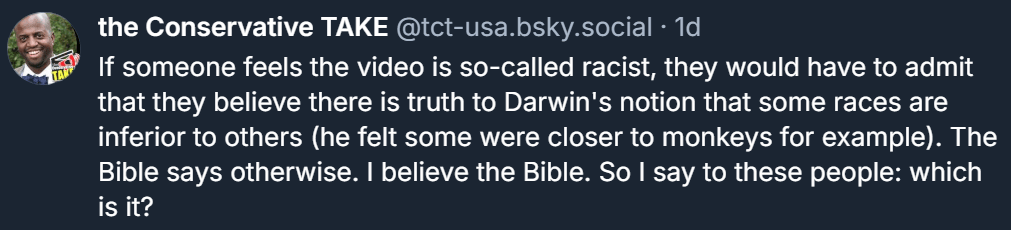
Enter Charles Darwin. Most people don’t realize that Darwinian evolutionary theory contributed directly to racist thinking. In The Descent of Man (1871), Darwin wrote that some human groups were closer to primates, and that “civilized” races would one day replace “savage” ones. That’s where the real monkey-human comparison began, not in satire, but in pseudoscience.
So when people assume that monkey imagery is always racist (even when applied across racial lines) they may not be reacting according to Scripture. They’re reacting according to Darwin.
The Bible couldn’t be clearer:
Genesis 1:27 — “God created man in His own image…”
Acts 17:26 — “…and hath made of one blood all nations of men…”
In God’s eyes, race isn’t a ranking system. It’s a non-issue. We’re all equally made in His image, equally fallen, and equally in need of redemption.
The Media’s Predictable Framing
Matt Vespa’s article rightly critiques how fast the media latched onto the “racist” label. They ignored the context, ignored that the clip wasn’t produced by Trump’s team, and ignored that it was removed. Instead, they pushed the same narrative they always do: everything Trump does is racist.
If were would seriously stop faking the funk in regards to racism, we should probably start by addressing the selective outrage. Where was the moral outcry when White progressive activists were filmed shouting racial slurs at Black ICE agents in Minneapolis? Why isn’t that looped on CNN? I could go on…easily.
The problem isn’t that people are offended. The problem is that many only get offended when it serves a political narrative and not when racism appears in their own camp.
What This Is Really About
This isn’t about a video. It’s about worldview. It’s about whether people are using the Bible as their standard, or reacting emotionally based on cultural conditioning. It’s about whether Christians are letting the media dictate their moral compass, or standing on truth.
In that Facebook exchange, I focused on the issue. The other party focused on me. I critiqued ideas. They made it personal. I asked for biblical reasoning. None was offered.
Again, this isn’t about them. It’s about the deeper pattern that emerged from the conversation. And that’s what really matters.
Where Do We Go From Here?
Should Trump’s team have been more careful about what got posted? Absolutely. Tighter control would’ve saved a lot of unnecessary confusion and handed fewer weapons to those looking for outrage. That’s fair criticism.
But was the video itself racist? No. Not when you actually watch it, think critically, and consider the context. If anything, it mocked Darwin’s legacy (not the people made in God’s image).
Those most outraged by it should ask themselves why that imagery offends them and whether they’ve unconsciously absorbed a worldview that once ranked humans by their “evolutionary progress.”
If we’re serious about confronting racism, then we need to confront the ideas that produced it and Darwinism sits near the top of that list.
In the end…
At the end of the day, I’m not defending a meme. I’m defending truth.
Every human being (Black, White, or otherwise) is made in the image of God. We are one blood, equally fallen, and equally in need of grace.
That’s the truth. And the truth still stands… whether people choose to face it or not.